

Cholesterol
Cholesterol

Our bodies need some cholesterol to function well, but too much raises risk for cardiovascular disease. That’s why it’s important to know how to keep cholesterol at healthy levels and get tested regularly.
Back to top
What is cholesterol?
Cholesterol is a waxy, fatty substance in the blood. It’s essential to the body: it forms part of the membrane that surrounds every cell; it’s used to make vitamin D and hormones that keep our bones, teeth and muscles strong; and it helps digest the fats we eat.1,2
Cholesterol comes from two sources:
- The liver: most cholesterol is made here and transported in the blood throughout the body.
- Diet: foods from animal sources (meat, eggs, dairy) contain cholesterol. The body already produces all the cholesterol it needs, so it’s unnecessary to eat foods containing it.2
Back to top
What is high cholesterol?
It’s normal to have some cholesterol in the blood, but at high levels it can enter the inner walls of the arteries. Over time, this may lead to atherosclerosis: thick, hard deposits (plaques) form, narrowing and stiffening the arteries. If a blood clot forms and blocks a narrowed artery leading to the heart or brain, heart attack or stroke can occur.2,3 Some important types of cholesterol include:
- Total cholesterol - the total amount of cholesterol in the blood.
- Low density lipoprotein (LDL) cholesterol - transports cholesterol from the liver to the rest of the body. Because high levels of LDL cholesterol cholesterol encourage arterial plaque buildup and are associated with cardiovascular disease (conditions of the heart and blood vessels), it’s often called “bad” cholesterol.
- High density lipoprotein (HDL) - collects cholesterol from the body and returns it to the liver. It’s known as “good” cholesterol.2
Back to top
Risk factors for high cholesterol
Having any of the following raises risk for developing high cholesterol:2,5,6,7 
- Type 2 diabetes - lowers HDL ("good") cholesterol and raises LDL ("bad") cholesterol levels.
- Obesity - linked to higher triglyceride levels, higher LDL cholesterol and lower HDL cholesterol.
- Family history. You’re more likely to develop high cholesterol if you have a blood relative with high cholesterol. Familial hypercholesterolemia is an inherited condition that causes very high LDL cholesterol from a young age. If a blood relative has had a heart attack or stroke early in life, ask your doctor about your risk.
- Diet high in saturated fat - a type of fat that’s usually solid at room temperature. Too much saturated fat reduces the liver’s ability to remove cholesterol, which builds up in the blood. Examples of foods high in saturated fat:
- Fatty meats
- Full-fat dairy
- Processed foods e.g. biscuits, cakes, ice-cream, chocolate, pizza, pies, pastries, burgers, sausages
- Coconut oil, palm oil.
- Sedentary lifestyle - lowers HDL (“good”) cholesterol. Not getting enough exercise leads to weight gain, which can also contribute to high cholesterol.
- Smoking - damages the blood vessels, making them prone to fatty deposits. Smoking may also decrease HDL ("good") cholesterol.
- Aging - with age, our bodies can't clear cholesterol from the blood as efficiently as when we were younger.
- Gender - Until around age 55 (menopause), women tend to have lower LDL (“bad”) cholesterol levels than men do. At any age, men tend to have lower HDL (“good”) cholesterol levels.
Back to top
Cholesterol testing
Plaque buildup is gradual, and there may be no symptoms until a heart attack or stroke occurs. That’s why it’s essential to get your cholesterol tested regularly and take action to achieve healthy levels.3 Cholesterol is checked with a blood test called a lipid panel (or lipid profile). Blood is drawn from a vein in your arm and sent for laboratory analysis. You’ll likely need to fast for 12 hours beforehand, which involves avoiding all food and drink except water.3 Understanding cholesterol test results The main levels tested are total cholesterol, LDL cholesterol, HDL cholesterol and triglycerides. For most healthy people, normal levels are:2,3
- Total cholesterol: LESS than 5 mmol/L
- LDL (“bad”) cholesterol: LESS than 3 mmol/L
- HDL (“good”) cholesterol: MORE than 1.2 mmol/L for women; MORE than 1.0 mmol/L for men. This is the one figure you want to be high.
- Fasting triglyceride: LESS than 1.7 mmol/L
- Existing cardiovascular disease, previous strokes or heart attacks
- Conditions that increase risk for cardiovascular disease such as diabetes
- Familial hypercholesterolaemia.
Back to top
Treatment and prevention of high cholesterol
Depending on your risk profile, your doctor may recommend making lifestyle changes, taking medication, or both. Lifestyle changes for healthy cholesterol Everyone should follow these guidelines to attain and maintain normal cholesterol levels:2,5
- Exercise regularly. Get at least 150 minutes a week (e.g. 30 minutes x 5 days) of moderate- to vigorous-intensity aerobic exercise.
- Don’t smoke.
- Lose weight if you’re overweight. Cholesterol levels start improving even at 2-5 kg weight loss.
- Follow a healthy diet:
- Reduce carbohydrate intake, especially refined carbohydrates e.g. white bread, white rice, pastries, biscuits, sweets, sweetened soft drinks.
- Replace saturated fats with foods rich in unsaturated fats e.g. olive oil, peanut butter, nuts, seeds, avocado.
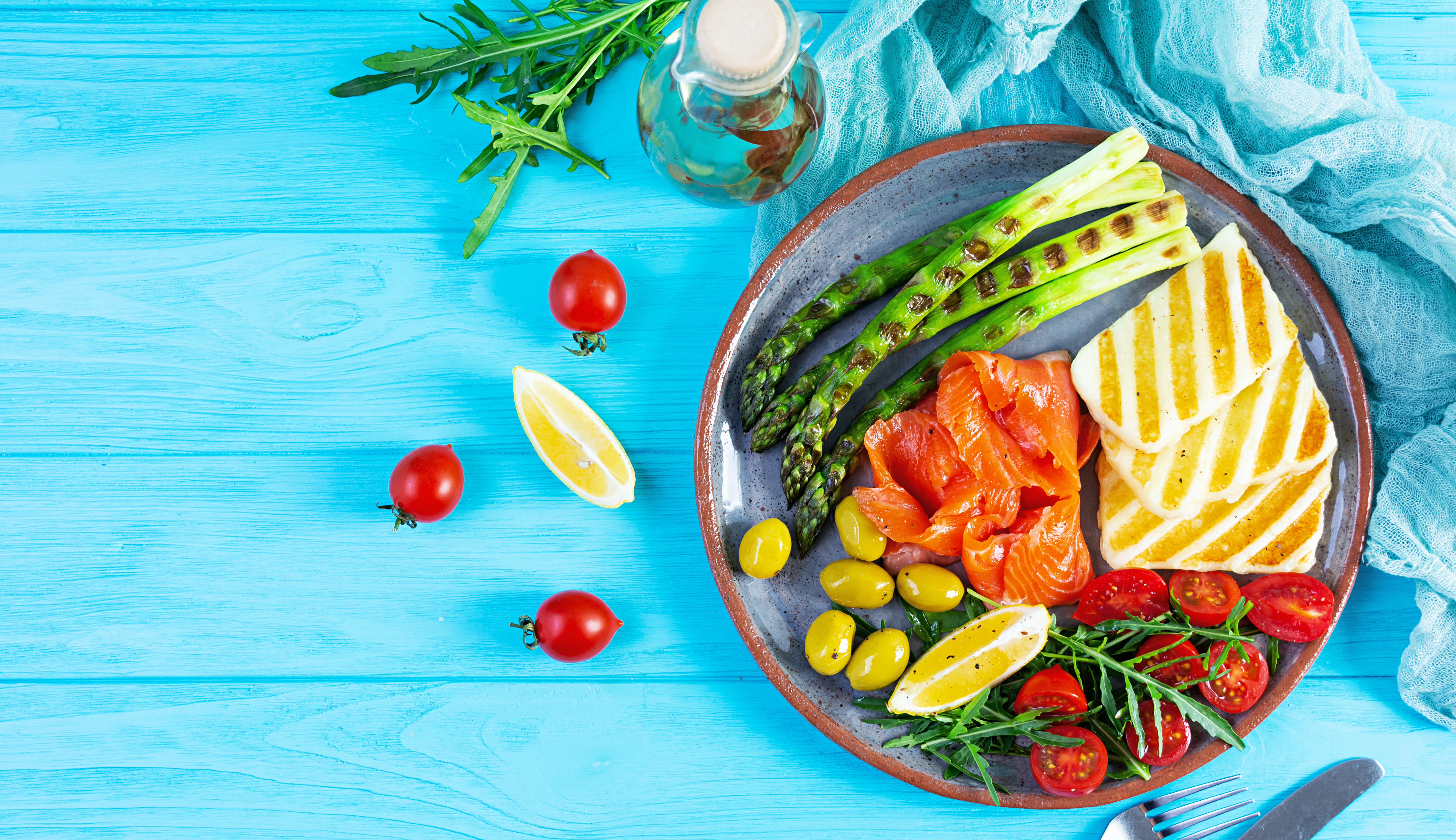
- Include foods high in omega-3 fatty acids such as naturally oily fish e.g. sardines, pilchards, mackerel, salmon. Plant sources include walnuts, flaxseed, canola oil.
- Add more high-fibre and whole-grain foods e.g. oats, vegetables, fruit, legumes (peas, lentils, soya beans).
- Eat food high in dietary cholesterol in moderation e.g. eggs, organ meats, shellfish, red meat. Note that dietary cholesterol doesn’t typically make a big contribution to blood cholesterol. It’s more important to eat foods low in saturated fats. Most people who follow a healthy diet can eat about 7 eggs a week and occasional high-cholesterol foods. If cholesterol levels are very high or you are at risk for cardiovascular disease, your doctor may suggest further limiting these foods.
- Add plant sterols (phytosterols or stanols), found in plant foods and sterol-enriched foods and supplements. These can help lower cholesterol levels by reducing absorption of cholesterol in the small intestine.
- Drink alcohol in moderation, if at all.
Back to top
Medication for high cholesterol
Your doctor may recommend that you start cholesterol medication in addition to healthy lifestyle changes. The most common medications for high cholesterol levels are statins, which reduce cholesterol production in the liver, reducing total and LDL cholesterol levels.2
Medical References
- Heart UK. What is cholesterol? Available from: https://www.heartuk.org.uk/cholesterol/what-is-cholesterol
- Heart and Stroke Foundation. Cholesterol. 2017. Available from: https://heartfoundation.co.za/cholesterol/
- Cleveland Clinic. Cholesterol: Understanding Levels & Numbers. 2024. Available from: https://my.clevelandclinic.org/health/articles/11920-cholesterol-numbers-what-do-they-mean
- British heart foundation. High cholesterol - symptoms, causes and levels. 2023. Available from: https://www.bhf.org.uk/informationsupport/risk-factors/high-cholesterol
- British heart foundation. Fats explained: saturated, unsaturated and trans fats. 2025. Available from: https://www.bhf.org.uk/informationsupport/heart-matters-magazine/nutrition/sugar-salt-and-fat/fats-explained
- Centers for Disease Control. Risk Factors for High Cholesterol. 2024. Available from: https://www.cdc.gov/cholesterol/risk-factors/index.html
- American Heart Association. 2024. Prevention and Treatment of High Cholesterol (Hyperlipidemia). Available from: https://www.heart.org/en/health-topics/cholesterol/prevention-and-treatment-of-high-cholesterol-hyperlipidemia
- Centers for Disease Control. Testing for Cholesterol. 2024. Available from: https://www.cdc.gov/cholesterol/testing/index.html


October 6, 2021
Content Disclaimer:
You understand and acknowledge that all users of the Dis-Chem website or app are responsible for their own medical care, treatment, and oversight. All of the content provided on the website, are for INFORMATIONAL PURPOSES ONLY and DOES NOT CONSTITUTE THE PROVIDING OF MEDICAL ADVICE and is not intended to be a substitute for independent professional medical judgment, advice, diagnosis, or treatment. The content is not intended to establish a standard of care to be followed by a user of the website. You understand and acknowledge that you should always seek the advice of your physician or other qualified health provider with any questions or concerns you may have regarding your health. You also understand and acknowledge that you should never disregard or delay seeking medical advice relating to treatment or standard of care because of information contained in or transmitted through the website. Medical information changes constantly. Therefore the information on this website or on the linked websites should not be considered current, complete or exhaustive, nor should you rely on such information to recommend a course of treatment for you or any other individual. Reliance on any information provided on this website or any linked websites is solely at your own risk.